


OM SYSTEM OM-1 Mark II Review: The Camera That Accidentally Replaced My Canon R5
When I bought the OM SYSTEM OM-1 Mark II in November of 2025, I expected it to become my secondary camera.
At the time, my Canon R5 was firmly established as my primary system. The OM-1 Mark II was supposed to be the lightweight alternative; something smaller, less expensive, and easier to carry when I didn’t want to drag around a full-frame kit. It was a way to explore the Micro Four Thirds ecosystem without fully committing to it.
That plan lasted about five minutes.
The OM-1 Mark II quickly became the camera I reached for most often. More than six months later, it has become my primary camera for nearly everything I shoot. Commercial photography, product photography, environmental portraits, street photography, video work, nature photography, macro photography, and countless hikes through Ohio forests have all passed through this camera. The more I use it, the more I find myself asking a simple question:
Why aren’t more photographers talking about how good this thing actually is?




This isn’t going to be a technical review. There are already plenty of articles and videos arguing about sensor sizes, pixel counts, dynamic range charts, and laboratory tests. I don’t care about any of that nearly as much as I care about a much simpler question. Does a camera help me turn ideas into photographs with as little friction as possible?
For me, the OM-1 Mark II does that better than any camera I have ever owned.
One of the reasons I was willing to give the system a chance was the Micro Four Thirds ecosystem itself. I love small cameras. I love small lenses. I love being able to carry a complete photography kit without feeling like I’m hauling a backpack full of bricks through the woods. Compared to equivalent full-frame systems, the lenses are often dramatically smaller, lighter, and less expensive. The camera itself feels fantastic in the hand, and that matters more than people often admit. A camera that feels good to carry becomes a camera that actually gets carried.
Color was another pleasant surprise. One of the reasons I originally chose the OM-1 Mark II was because so many photographers praised its color rendering. After using it extensively, I think they were right. The files look wonderful straight out of the camera. Colors feel natural, vibrant, and believable. I rarely find myself fighting the images in post-production to make them look the way I remember the scene.
I eventually purchased a Calibrite ColorChecker Classic Mini and built custom profiles for the camera. That took the color from excellent to phenomenal, but it is important to understand that this was an enhancement, not a correction. The camera already produced beautiful color before I ever introduced a ColorChecker into the workflow.



Cost was another factor that opened the door. The OM-1 Mark II enters the conversation at a fraction of the cost of many flagship cameras. Initially, that made it easy to justify trying the system. What surprised me was how quickly I stopped thinking about the price altogether and started thinking about the value.
The savings don’t stop at the camera body. The lens ecosystem is where things become really interesting. In many cases, lenses cost half as much, or even a third as much, as comparable alternatives in larger systems. Sometimes the difference becomes dramatic. My 200-800mm equivalent setup cost roughly a thousand dollars. Achieving similar reach in some full-frame systems can cost many times that amount.
There are exceptions. Inexpensive high-volume lenses, such as the classic fifty millimeter prime, can occasionally be cheaper from Canon, Sony, or Nikon because those companies manufacture them in enormous quantities. Those exceptions exist, but they are not representative of the system as a whole. Overall, I have spent significantly less money while gaining access to more focal lengths and more creative possibilities.
What ultimately changed everything, however, was image quality.
This is where I expected compromise. Like many photographers, I had spent years hearing that Micro Four Thirds systems simply could not compete with larger sensors. I expected noise. I expected limitations. I expected to enjoy the portability while quietly accepting a reduction in image quality.
That never happened.
The image quality is outstanding. The noise performance is outstanding. The lenses are outstanding. More importantly, the images themselves consistently exceeded my expectations. My benchmark was not another Micro Four Thirds camera. My benchmark was my Canon R5, a camera I know very well. Yet in real-world photography, the OM-1 Mark II proved itself over and over again.
That realization is what transformed it from a secondary camera into my primary camera.

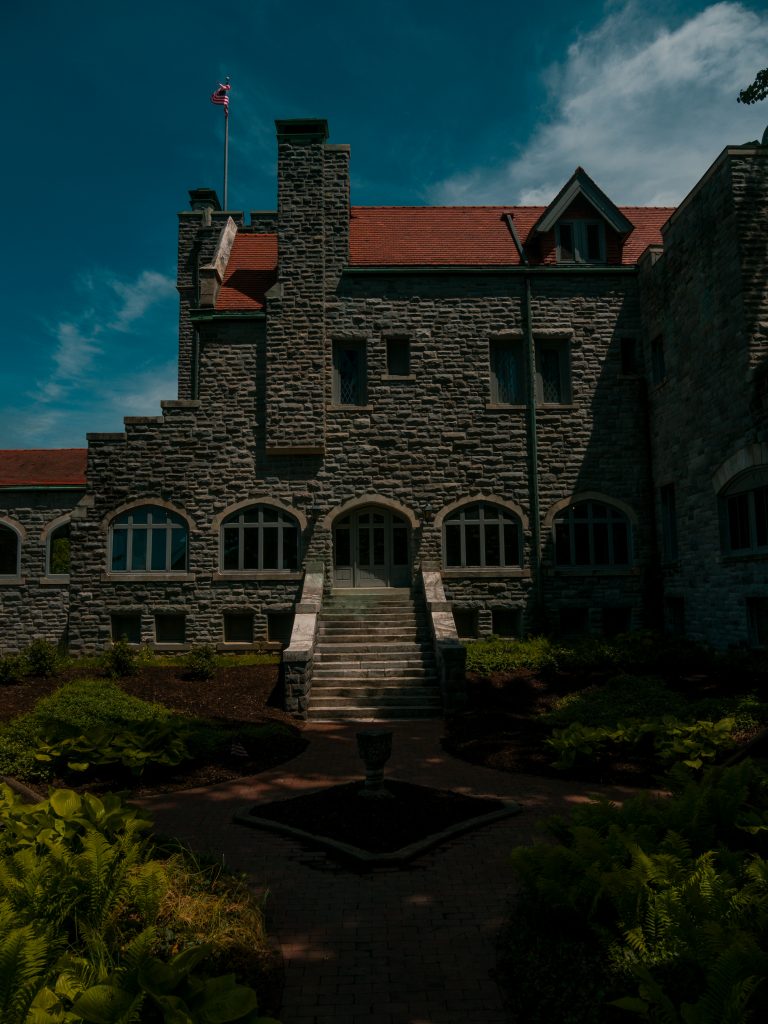
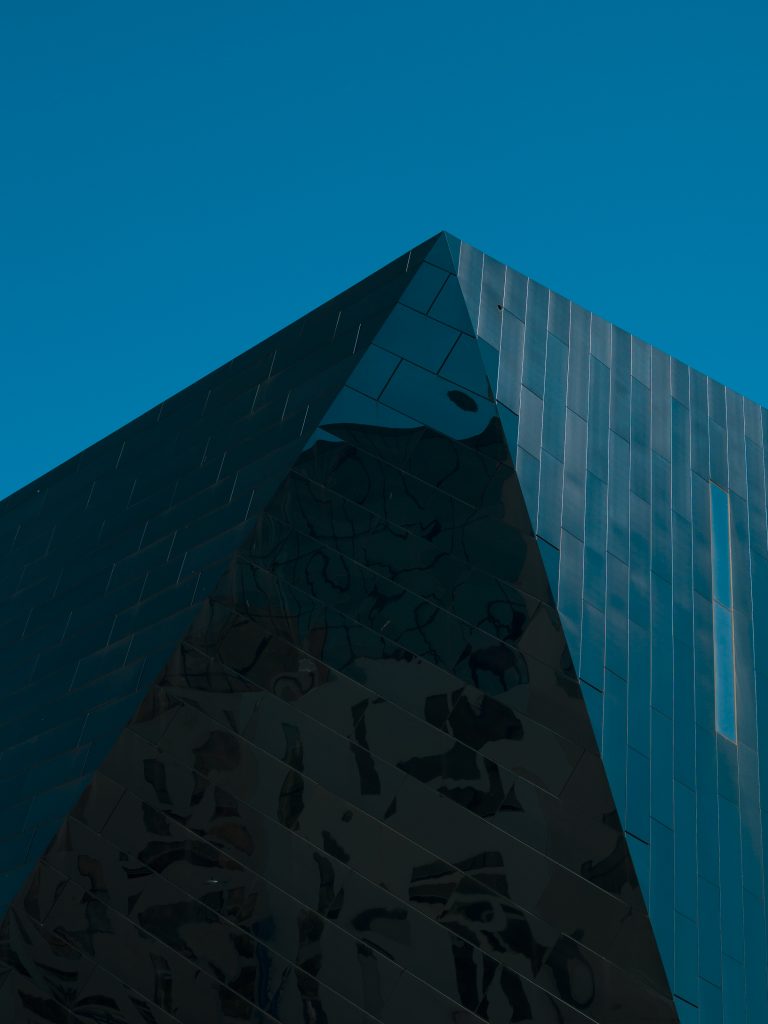
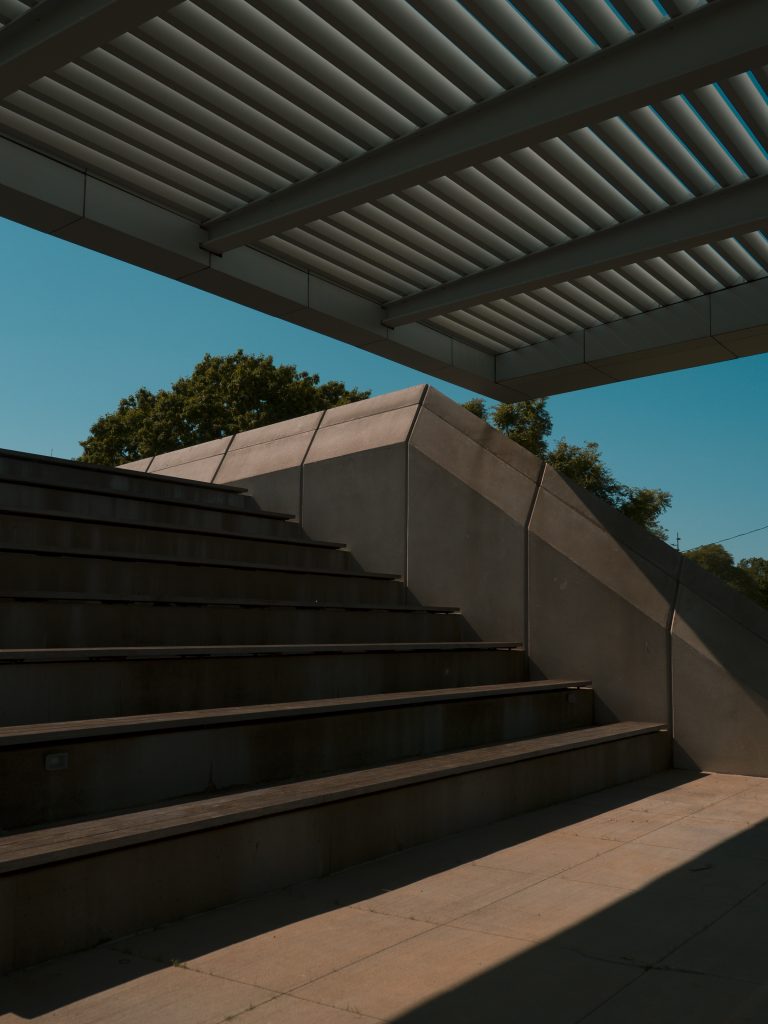
The more time I spent with the system, the more I noticed another unexpected benefit. I was accomplishing the same photographic goals with less gear. When I carried my Canon kit, I often found myself packing a 24-105mm and a 70-200mm. With the OM System, I frequently carry a single 12-100mm lens, which provides the equivalent of a 24-200mm field of view. One lens replaces two. Less weight. Less cost. Less decision-making. Less interruption.
That idea of reducing friction keeps showing up whenever I think about why I enjoy this camera so much.
The camera has also expanded the types of photography I do. Before buying the OM-1 Mark II, most of my work revolved around commercial projects and street photography. Today, I spend a significant amount of time hiking through forests looking for wildlife, mushrooms, moss, insects, and landscapes. Macro photography has become a genuine passion. Nature photography has become a genuine passion. Exploration itself has become part of the photographic process.
The weather sealing deserves a quick mention here. It is not the headline feature for me, but it contributes to the overall experience. When the weather turns bad, I don’t find myself wondering whether I should put the camera away. I keep shooting. It removes another layer of hesitation between seeing something interesting and photographing it.
Even the user interface surprised me. As someone who has spent decades working in design, I tend to be highly critical of software interfaces, and camera manufacturers generally do not receive much praise from me. Canon has long been my benchmark for camera usability, and I still think they do an excellent job. What impressed me is how close OM System comes. The menu structure is logical, settings are generally where you expect them to be, and the overall interaction with the camera feels familiar and intuitive. Is it perfect? No. Camera interfaces still have a long way to go. But OM System comes closer to Canon than almost any manufacturer I have used.

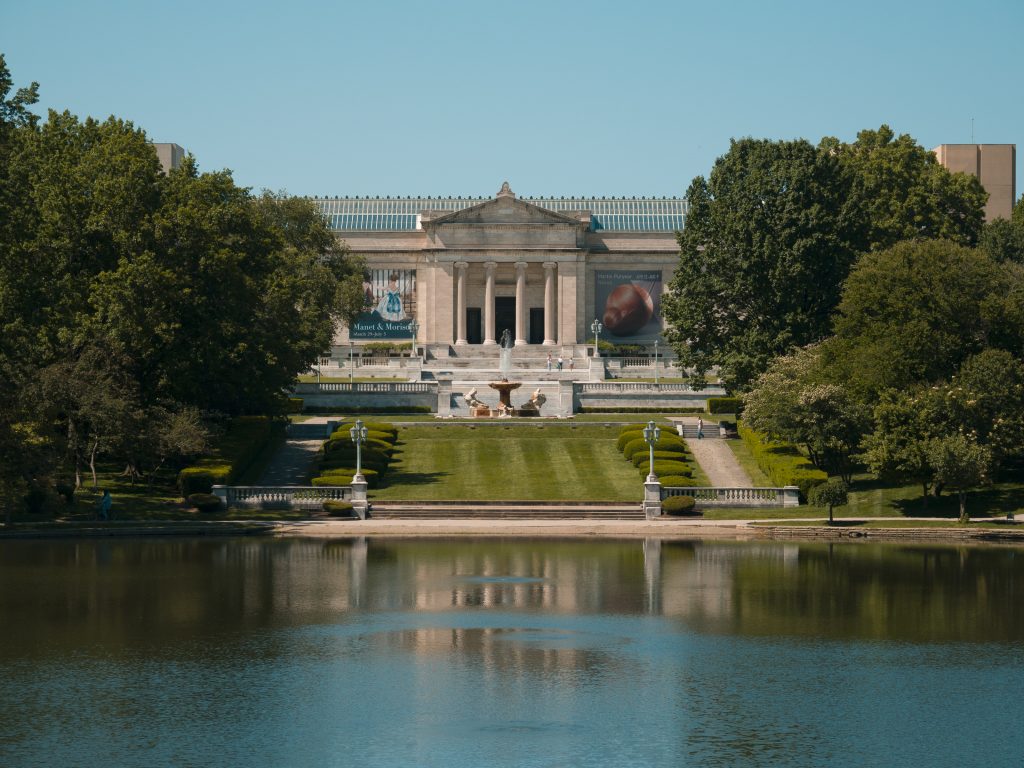

The same thing applies to video. The Canon R5 remains my preferred dedicated video platform, and I think Canon’s video heritage shows. At the same time, the OM-1 Mark II performs remarkably well. Because it has become my primary camera, it naturally becomes my primary video camera much of the time as well. The fact that I regularly trust it for video work should tell you everything you need to know about its capabilities.
One thing I think photographers consistently get wrong about Micro Four Thirds has nothing to do with the technology itself. I think it is largely a marketing problem. For years, the format has been discussed as though it constantly needs to apologize for itself. Conversations often begin with what it supposedly cannot do instead of what it actually does extremely well.
I think that framing is completely backward.
Nobody expects full-frame manufacturers to apologize because medium format exists. Likewise, Micro Four Thirds should not be evaluated as a failed version of full frame. It should be evaluated as its own photographic system. Every format has strengths. Every format has characteristics. Every format requires understanding. If you learn how the system works, it can accomplish everything most photographers are trying to achieve.
The only area where I have experienced genuine frustration has not been with autofocus, image quality, low-light performance, or video. It has been with myself.
The OM-1 Mark II includes a remarkable collection of computational photography tools. They are powerful, useful, and genuinely innovative. They also require practice. A few times I attempted to use one of those features in an important shooting situation before I had fully learned it. When I got home, I realized I had missed the image I was trying to create. That was not a camera failure. That was a photographer failure. The lesson was simple; learn the tools before you need them.
Oddly enough, my biggest concern about the system has nothing to do with the camera at all.
It is the future of the ecosystem.
I do not think Micro Four Thirds is dead. I also do not think it is rapidly growing. It feels more like a mature platform that has reached a plateau. That creates uncertainty. As an owner, I want to see continued investment from OM System. I want to see continued investment from Panasonic. I want to see new lenses, new bodies, and continued innovation. There are encouraging signs, particularly from third-party manufacturers who continue to invest in the ecosystem, but I would still like to see stronger signals from the major players that the future remains bright.



If someone handed me twenty thousand dollars tomorrow and told me I could buy any camera system in the world, I would still buy into the OM System ecosystem.
Not because Canon is bad.
Not because Nikon is bad.
Not because Sony is bad.
Those companies all make exceptional cameras.
I would choose the OM-1 Mark II because it already does everything I need a camera to do. It delivers the image quality. It delivers the speed. It delivers the portability. It delivers the versatility. Most importantly, it delivers a creative experience that feels almost frictionless.
Photography is hard enough already. The last thing I want is a camera that constantly reminds me it exists.
The OM-1 Mark II gets out of the way.
It lets me focus on seeing.
It lets me focus on exploring.
It lets me focus on creating.
More than six months later, after the excitement of a new purchase has long since faded, that may be the highest compliment I can give any camera.