

Distance:
4.66 mi.
Elevation:
397 feet
Time:
1h 30m
Camera:
OM-1 II
I’ve lived in northeast Ohio for well over a decade, and during that time I’ve hiked nearly every major park Stark County has to offer. Tam O’Shanter, Sippo Lake, Deer Creek, Walborn Reservoir, Quail Hollow—you name it, I’ve probably wandered through it. So when Pike Ridge Park came up in conversation, my first thought wasn’t excitement. It was confusion. How have I never heard of this place? After spending nearly five miles exploring it, my question completely changed. How did I miss one of the most unique parks in Stark County for so many years?
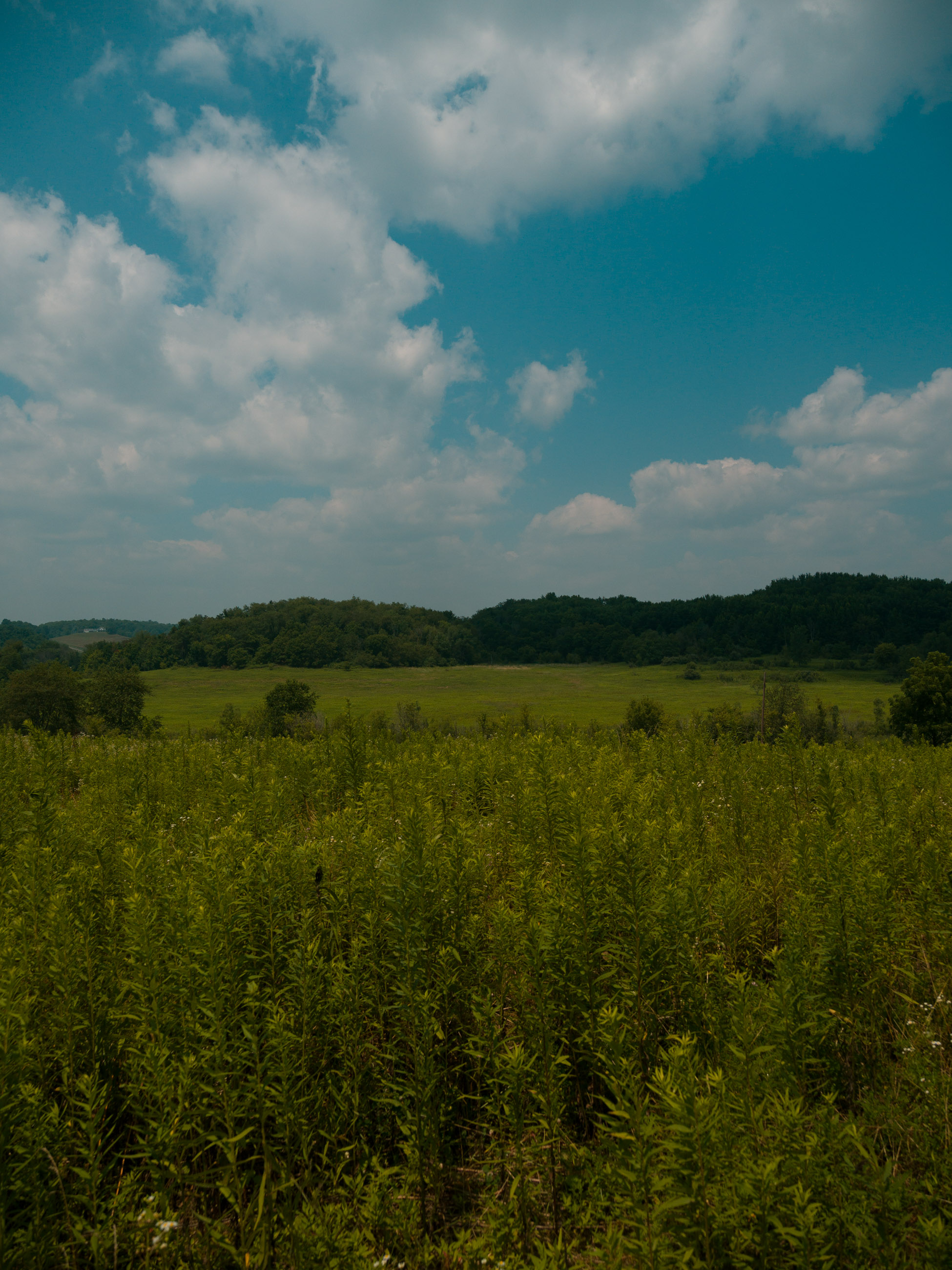
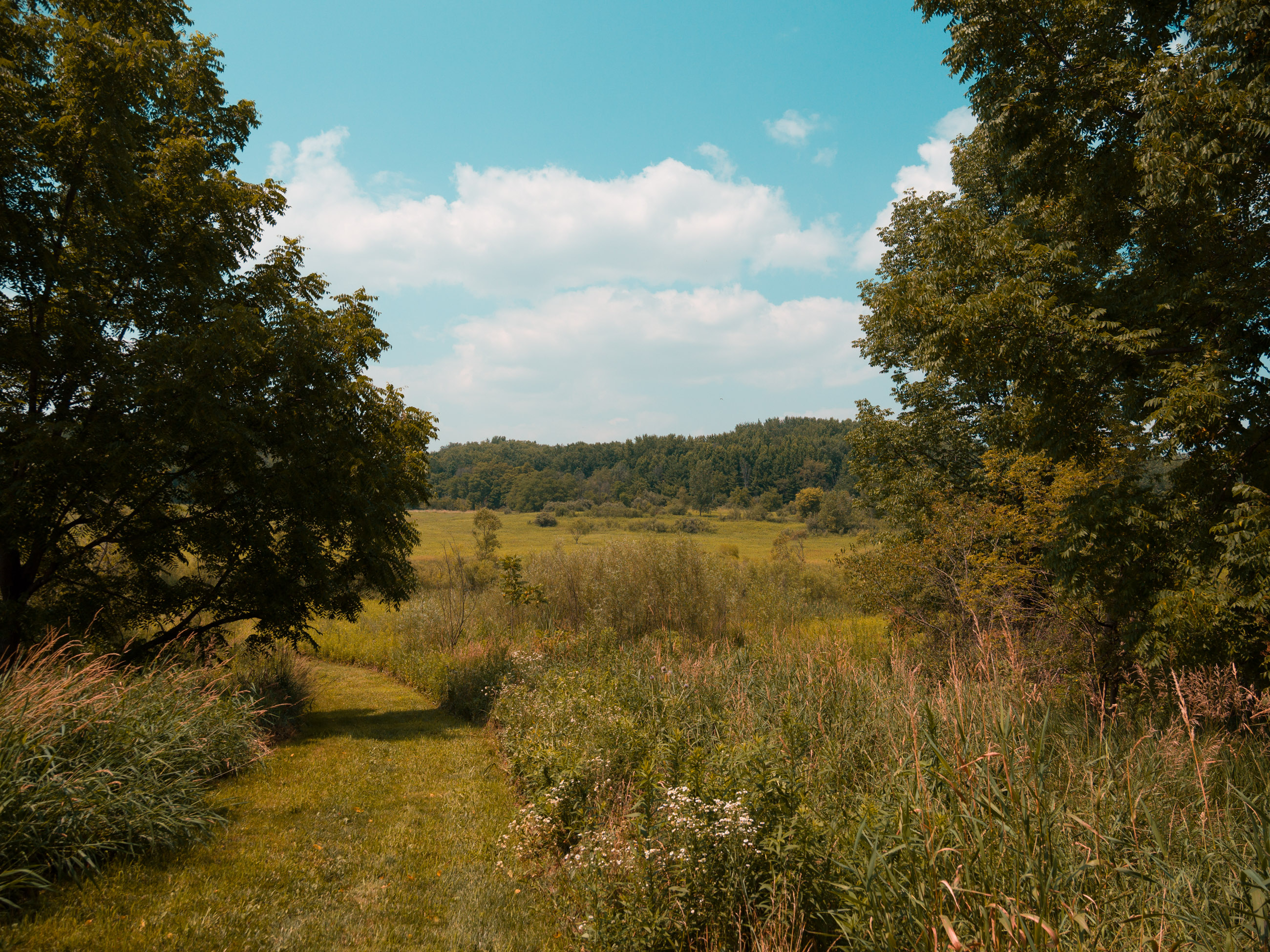
Summer prairie stretching across the hills of Pike Ridge Park in East Sparta, Ohio.
Oddly enough, the park started winning me over before I ever stepped onto the trail. Instead of another freshly paved parking lot with decorative landscaping and polished signage, Pike Ridge greeted me with a simple crushed stone lot. That may sound like a strange thing to notice, but I’ve learned over the years that parks which haven’t been over-engineered often feel more authentic. They usually attract fewer people, leave a little more room for nature to breathe, and still retain a sense of discovery.
Then I noticed something even stranger. It was a beautiful Sunday afternoon. The weather was perfect. The park was gorgeous. And there was exactly one other vehicle in the parking lot. That immediately made me wonder what everyone else was missing.
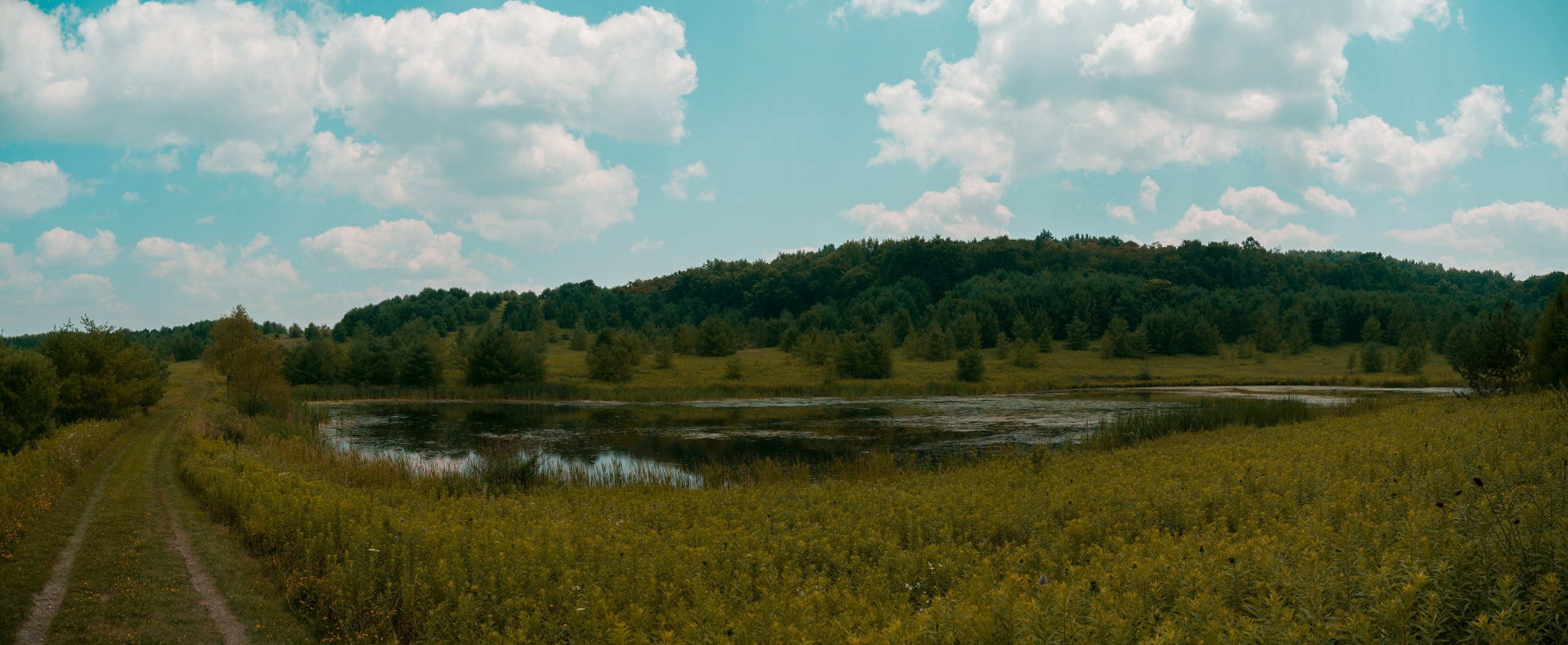
The trail itself quickly answered that question. Rather than feeling like a purpose-built hiking trail, much of Pike Ridge follows old service roads that weave through enormous prairie meadows, wooded ridges, wetlands, and rolling hills. Instead of hiding the property’s past, the park embraces it. The old access roads are now hiking trails, quietly connecting landscapes that feel completely different from one another. The biggest surprise wasn’t the prairie. It was the hills.
Northern Ohio isn’t exactly famous for dramatic topography, so standing on top of these broad ridges and looking across sweeping meadows felt almost out of place. There were several moments where I genuinely forgot I was still in Stark County. The landscape has an openness that almost resembles the Great Plains, yet the wooded ridges keep interrupting the view just enough to create mystery. You can never quite see everything at once. That’s probably my favorite thing about Pike Ridge. It has mystery.
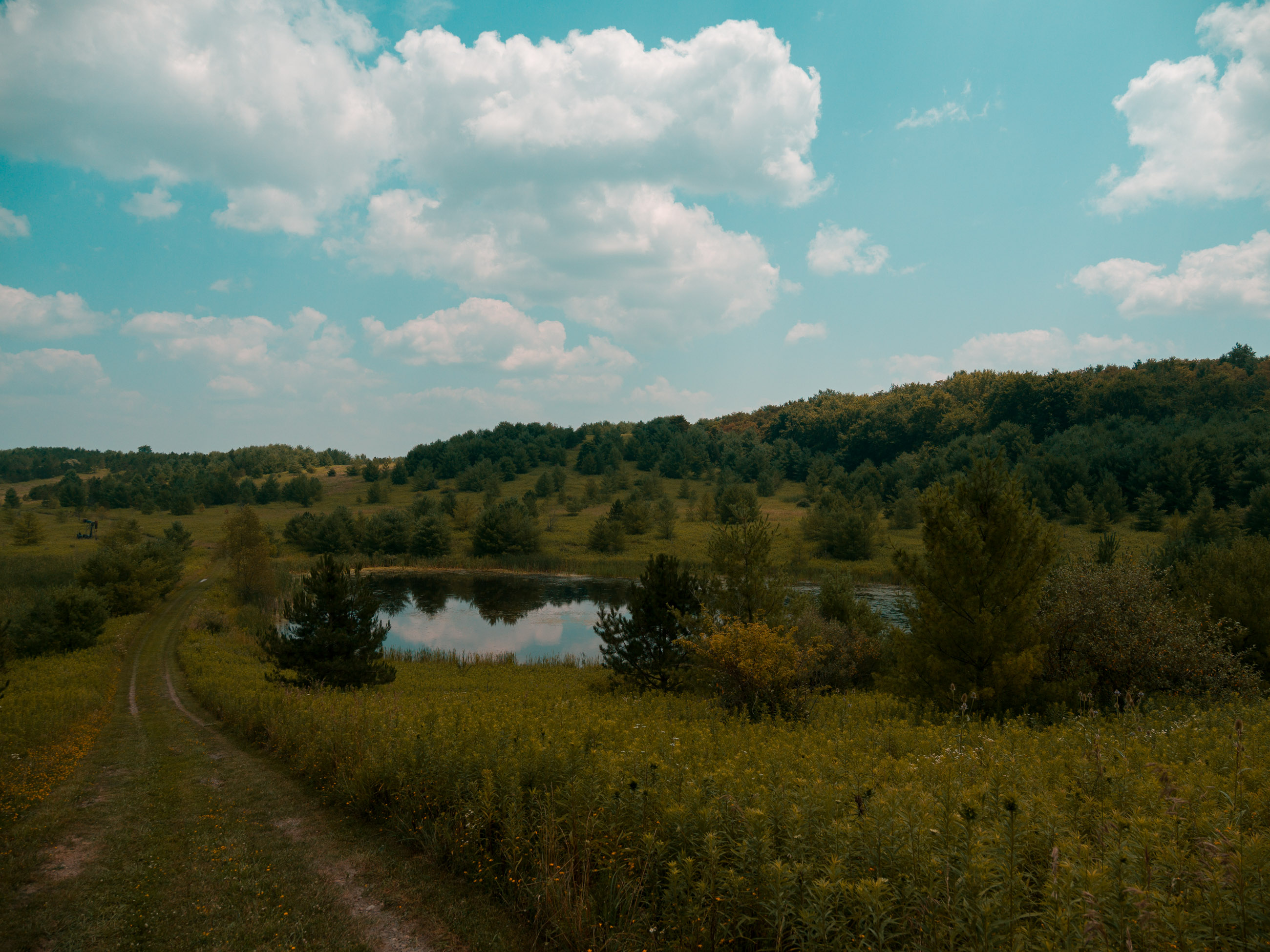 Most open landscapes eventually become predictable because you can see your destination long before you reach it. Pike Ridge never lets you do that. Every tree line hides another pond. Every hill suggests another meadow. Every bend in the trail makes you wonder what’s waiting around the corner. Instead of one continuous landscape, the park feels like a collection of interconnected rooms that slowly reveal themselves throughout the hike.
The wildlife was incredible.
Frogs called constantly from nearly every pond we passed. Dragonflies patrolled the wetlands by the hundreds. Rabbits darted across muddy trails, birds filled the prairie with song, and at one point a mature buck stood quietly behind me while I was photographing one of the pump jacks. I took one step backward, completely unaware it was there, and nearly jumped out of my skin as it crashed into the woods. I think we startled each other equally.
Speaking of pump jacks…
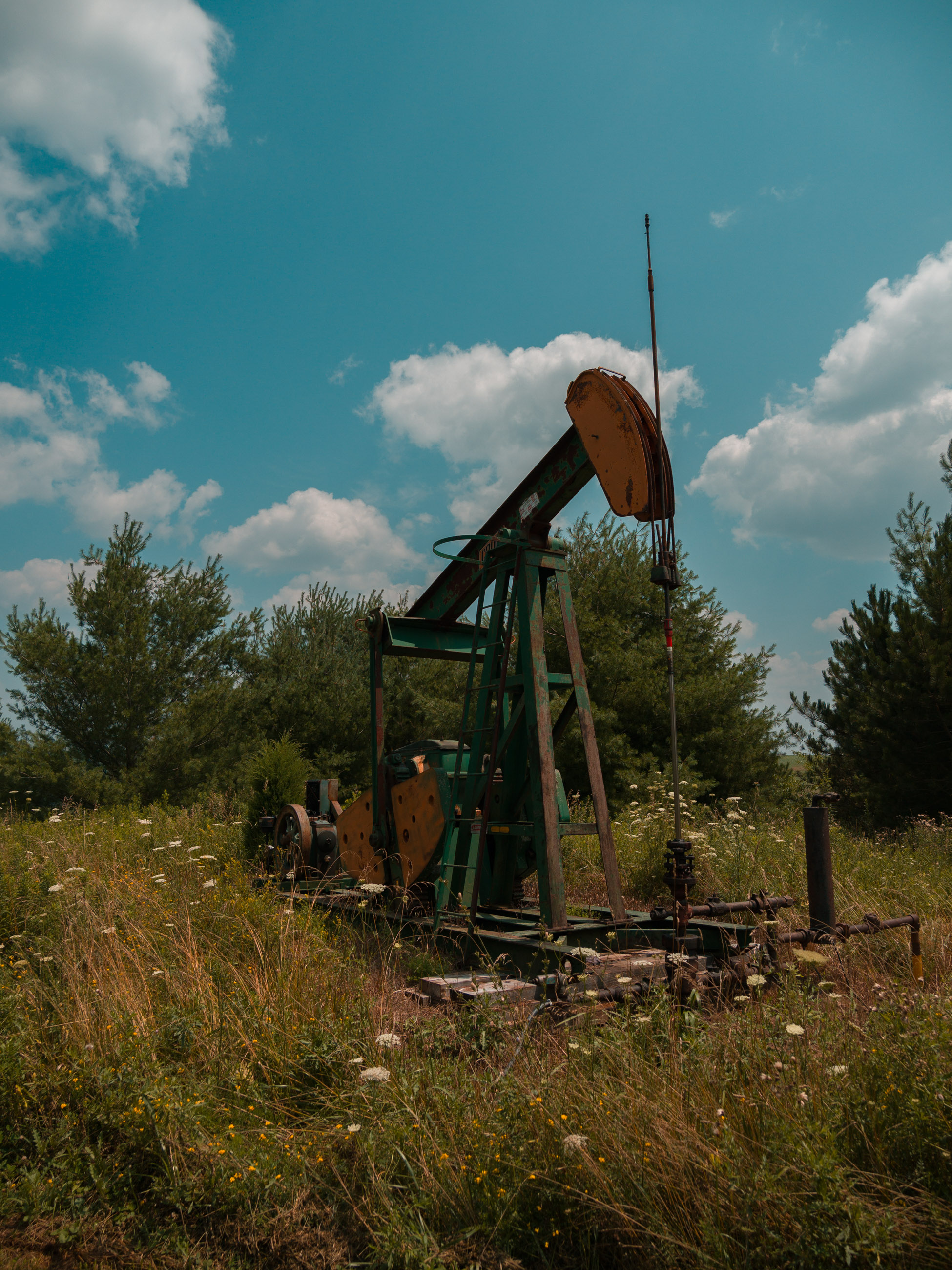 One of the most fascinating parts of Pike Ridge is how comfortably history and nature coexist. Throughout the park, old service roads lead to weathered pump jacks scattered across the landscape. Some look as though they could still be operating, while others simply stand as reminders of what this property once was. Whether they’re still working or not almost doesn’t matter. They don’t feel intrusive. They feel like another chapter in the story of the land.
That story is what makes Pike Ridge different.
This property wasn’t simply turned into a park overnight. It spent years serving entirely different purposes before gradually being restored into prairie and wetland habitat. You can still see those previous lives everywhere you look, but instead of detracting from the experience, they actually make it richer. The park isn’t pretending history never happened. It’s showing you what recovery looks like.
As a photographer, Pike Ridge was impossible to rush through.
Every few hundred yards presented something completely different. One moment I was photographing expansive prairie beneath towering summer clouds. The next I was shooting macro images of wildflowers, quiet wetlands alive with dragonflies, or weathered machinery slowly being reclaimed by the landscape. The scenery never became repetitive because the park never stopped changing.
By the end of the hike we’d covered nearly five miles and encountered only a handful of people. That’s almost unheard of on a beautiful summer Sunday. The solitude became just as memorable as the scenery. It allowed the frogs, birds, insects, and even the wind moving through the prairie to become part of the experience in a way that’s becoming increasingly difficult to find.
I think what impressed me most is that Pike Ridge still feels like it’s in the middle of becoming something. The prairie continues to mature. Wildlife continues returning. The landscape is still finding its identity. That gives the park a feeling that’s difficult to describe but immediately recognizable once you’re there. It feels alive, not just maintained.
I genuinely hope more people discover Pike Ridge. At the same time, I hope they discover it gently.
 Part of what makes this place special is that it hasn’t yet become overworked, overdeveloped, or overprogrammed. It still feels a little rough around the edges. The crushed stone parking lot. The old service roads. The quiet ponds hidden behind tree lines. The enormous meadows with almost nobody else around. All of those things combine to create an experience that’s becoming increasingly rare.
If you decide to visit, enjoy this stage while it lasts.
Because places like this don’t stay secrets forever.